NATIONAL TRENDS
Learn what's trending in the arts throughout the Unites States during the late winter into spring.
Winter-Spring 2027 Edition
February: The Pop Culture Scene and Cultural Heritage February opens with an unprecedented alignment of major televised events alongside essential cultural observances. The 69th Annual Grammy Awards lead off the month on Sunday, February 7, providing an immediate opportunity to showcase local musical talent or host album listening hours. Exactly one week later, Super Bowl LXI falls directly on Valentine’s Day (Sunday, February 14). Rather than competing with the game, public libraries can lean into the spectacle by hosting pre-game programs—such as a retrospective on the top ten Star-Spangled Banner vocal renditions or an exploration of iconic halftime show arrangements.
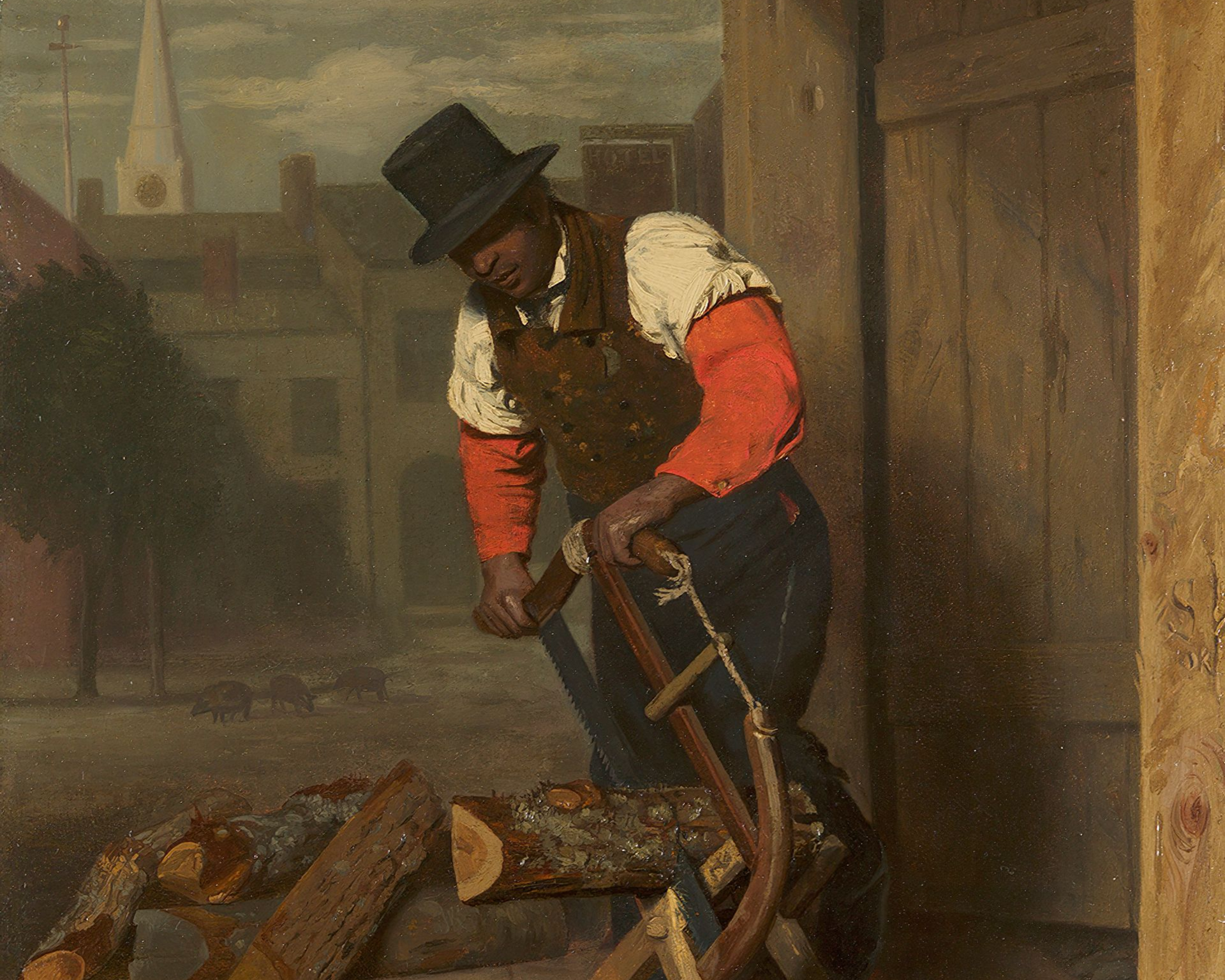
Alongside broadcast television, Black History Month remains a core anchor for February programming. Library staff can highlight regional Black authors, host workshops on African American musical traditions, or coordinate interactive displays exploring fine art movements like the Harlem Renaissance. For Presidents' Day mid-month, consider displaying presidential portraiture or curated digital archives from national presidential libraries.
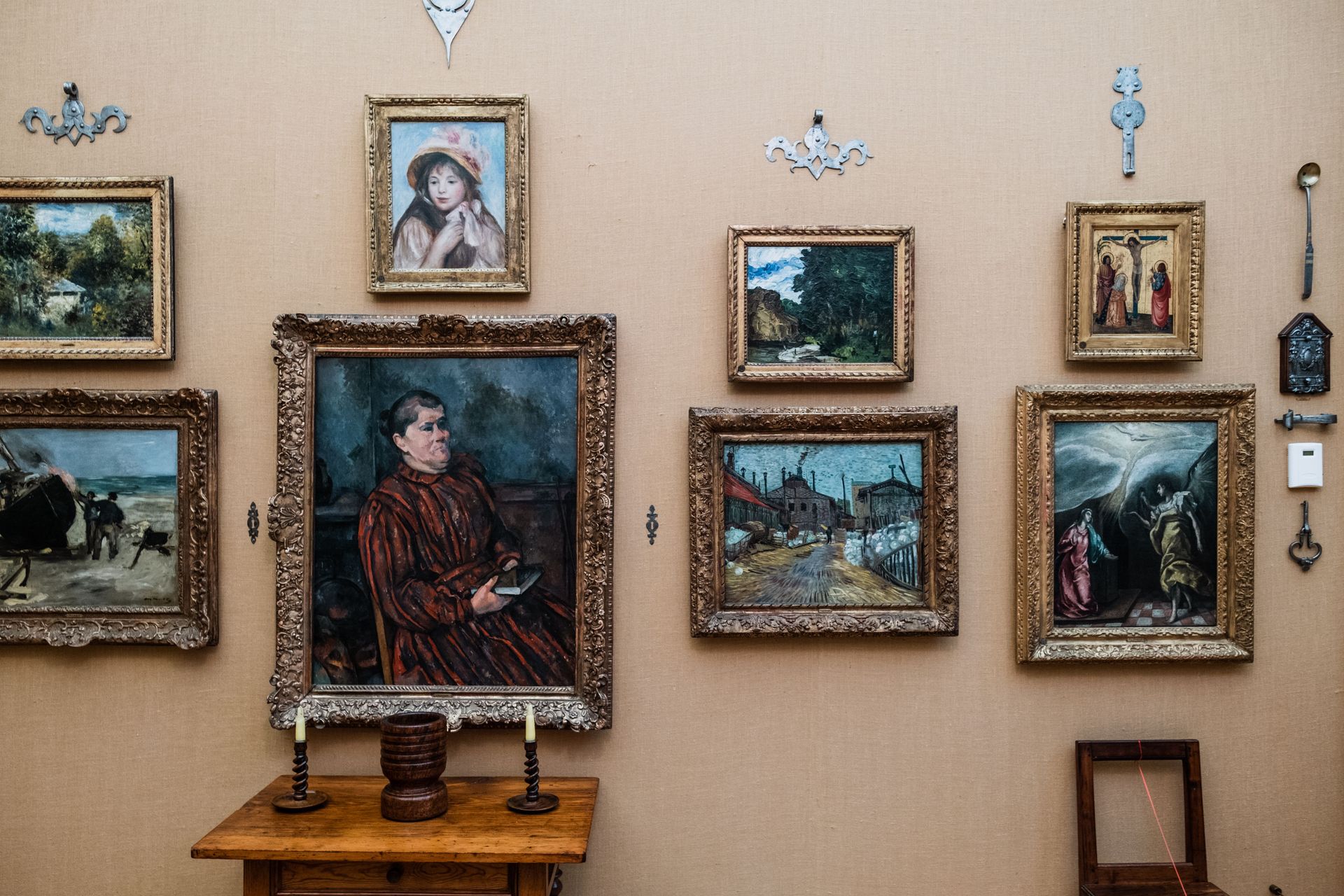
March: Representation, Global Roots & Cinema March shifts the spotlight toward advocacy, artistic traditions in film, and cultural storytelling. Women’s History Month offers a perfect backdrop to showcase female composers, filmmakers, authors, and visual artists through panel discussions or gallery exhibits featuring local women creators. For Irish American Heritage Month around St. Patrick’s Day, programming can expand beyond basic festivities to explore Celtic folklore, traditional acoustic instrumentation, and celebrated Irish literature.
Awards season culminates on Sunday, March 14, with the live broadcast of the 99th Academy Awards. The Oscars serve as an ideal catalyst for book-to-film programming. Libraries can run interactive prediction ballot stations, organize book club discussions comparing nominated adapted screenplays to their original novels, or host film criticism workshops for aspiring storytellers.
April: The Convergence of Jazz, Verse & The Bard April stands out as one of the most content-rich months of the year for library programmers, bringing music and literature together under three national observances: Jazz Appreciation Month, National Poetry Month, and Shakespeare’s Birthday (April 23). This month allows programming staff to bridge classic literature with modern creative expression.
A few high-impact programming ideas for April include: Shakespeare Poetry Slam: Combine National Poetry Month and Shakespeare’s Birthday by inviting patrons to write modern sonnets, perform blackout poetry using discarded book pages, or participate in open-mic spoken word nights.
Acoustic Jazz & Vinyl Hours: Partner with local jazz musicians for lunchtime lecture-recitals or host vinyl listening sessions analyzing landmark jazz recordings and their historical contexts.
Cross-Disciplinary Media Displays: Curate displays that pair classic plays and poetry anthologies with jazz records, streaming music collections, and film adaptations available through library databases like Kanopy or Hoopla.
By pairing these predictable national media moments with local community assets—such as local artists and musicians, arts directors, literary guilds, and local historians—library workers can turn seasonal buzz into meaningful library attendance.