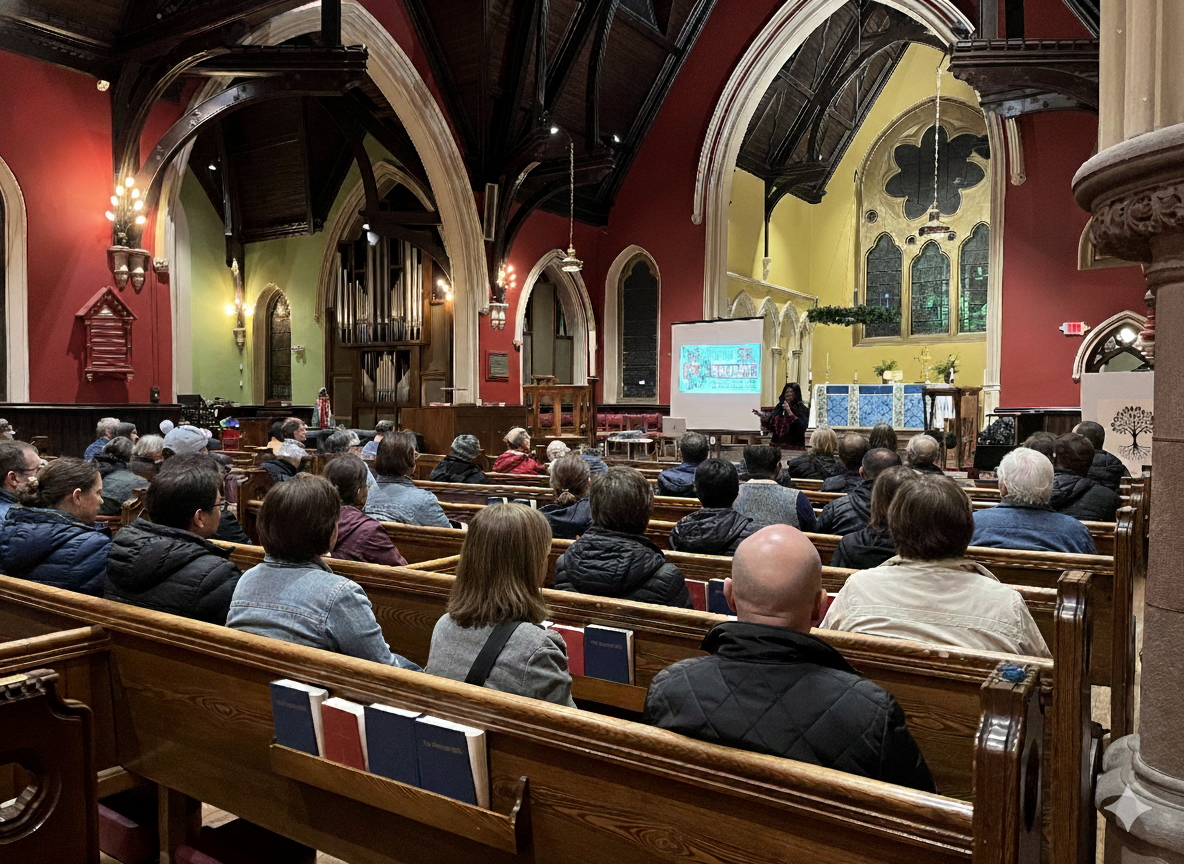
Tanisha Mitchell gives an opera lecture for a Poughkeepsie Library event, December 2025
PROGRAMMING CORNER
Beyond the Flyer: Streamlining Multi-Week Promotion for
Community Library Programs
by Tanisha Mitchell
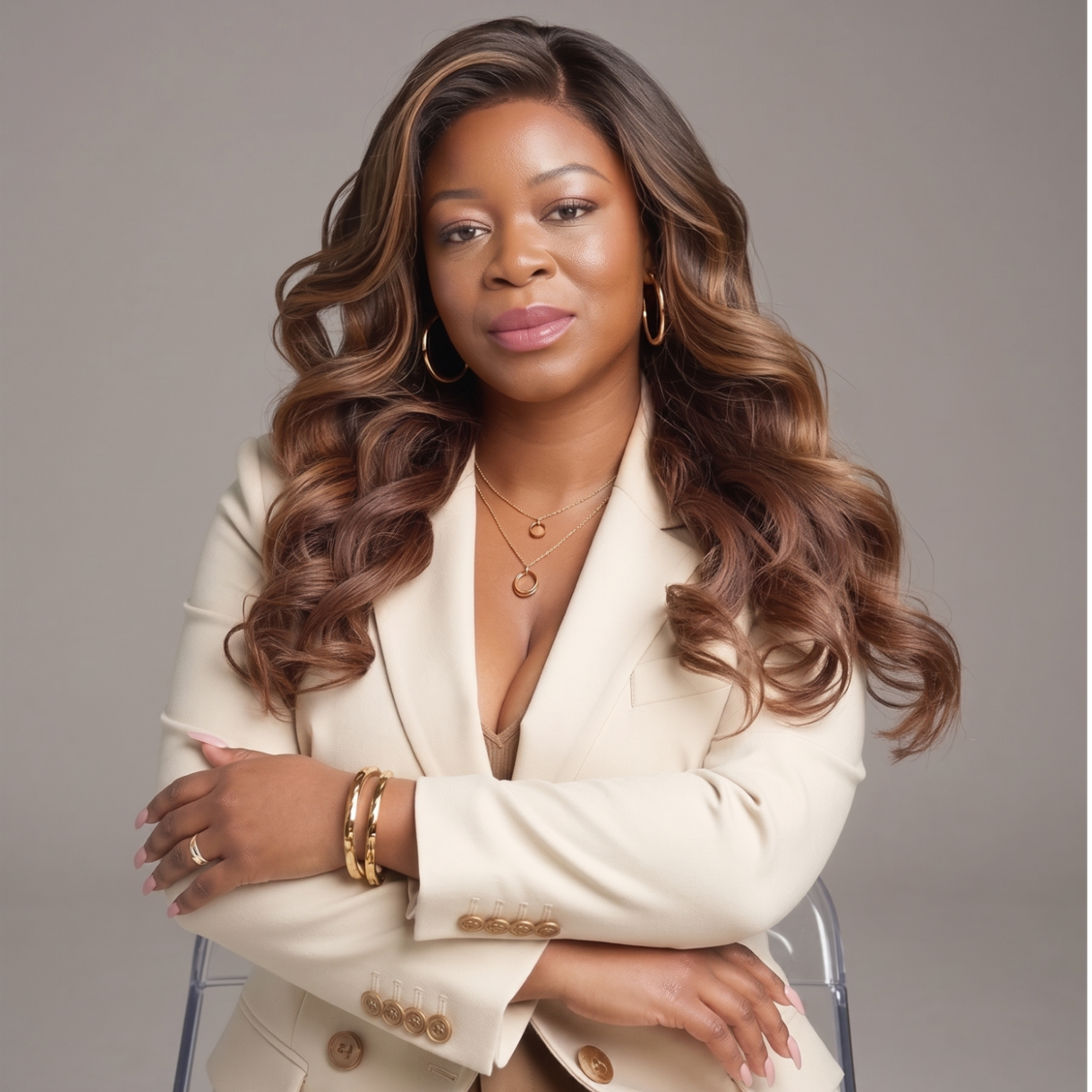
Tanisha Mitchell is a Library Journal Mover & Shaker, public library programmer, and the Founder and CEO of Opera Talks. Bringing years of experience across major opera archives and community library services, she helps cultural institutions curate, schedule, and market high-caliber arts lectures, exhibits, and performances well in advance to maximize community reach and engagement.
Winter-Spring 2027 Edition
The arts remain one of our most vital conduits for human expression. There is nothing quite like the raw energy of a live vocal performance, the quiet focus of an art studio workshop, or the clarity gained from an expert-led lecture. Having worked across two distinct cultural environments—from an internship and work experience at the Metropolitan Opera to serving as a part-time public library programmer and founding Opera Talks—I navigate both the world of elite arts institutions and the open landscape of public access. While both share a mission to connect people with transformative works, they operate under vastly different economic realities. Yet libraries exist precisely to democratize high culture. Our duty is not merely to host what is already safe, but to introduce our communities to master-level artists, musicologists, and performers they might otherwise never experience due to financial, social, or geographic barriers.
The Spark of Discovery: Cultivating the Next Generation
Public libraries are discovery engines. Long before I worked with major opera companies or launched Opera Talks to bring vocal masterworks to everyday audiences, my own artistic foundation was built in the aisles of my local library. The audio recordings, scores, and musicology databases in the collection served as my personal, self-guided masterclass—an indispensable launchpad that led directly to my work at the Metropolitan Opera. This personal journey raises a vital question for all cultural programmers: How many future artists and engaged patrons are waiting for that exact same spark in our branches today?
Arts resources and programming nurtures emerging talent for the community and beyond. For an aspiring musician, painter, or writer without the means for private coaching or expensive masterclasses, a free library program featuring an elite practitioner can alter the trajectory of their career.
When libraries present high-quality programs, they cultivate lifelong cultural patrons. Exposure at the library demystifies high art. A patron attending their very first chamber music talks or printmaking demonstration at the library is far more likely to buy their first museum membership or concert hall ticket down the road.
When libraries limit their offerings strictly to what is already familiar, we cut off that pipeline of discovery. Offering ambitious, unfamiliar programs isn't just an exercise in variety—it is an investment in the cultural literacy and creative potential of our entire community.
The Real Barrier: Framing, Not Taste
When a classical music concert or niche art lecture underperforms, the issue is rarely a lack of curiosity in the neighborhood. The core problem is how the program is framed and communicated prior to the event.
Not every program fits every neighborhood, but even historically intimidating art forms can resonate deeply when positioned with relevance and context. A single newsletter blurb or a paper flyer tacked to a bulletin board will not demystify an opera lecture or an avant-garde watercolor workshop. To bridge the gap between high art and everyday patrons, programmers must tell the story behind the craft well before opening day.
How to Take Advantage Planning Early
For library programmers, summer or any slow time like the holidays is an indispensable strategic planning window. Because most community libraries operate with lean publicity departments—often just a single coordinator handling promotion for other departments or programs outside of the arts—last-minute event submissions inevitably lead to rushed, surface-level marketing.
For example, you may already plan fall through late-spring programming during the summer. That creates the operational space needed to build intentional promotional campaigns. But if you book programming in batches with early enough time in between you will have enough time to partner with the publicity department to co-create storylines that communicate what the event is to the public.
Here are a few steps that I continue to learn how to use to create an optimal time to plan a marketing strategy:
Lock down logistics early: Finalize contracts, negotiate fees, and confirm dates 4 to 6 months ahead so print deadlines are met effortlessly.
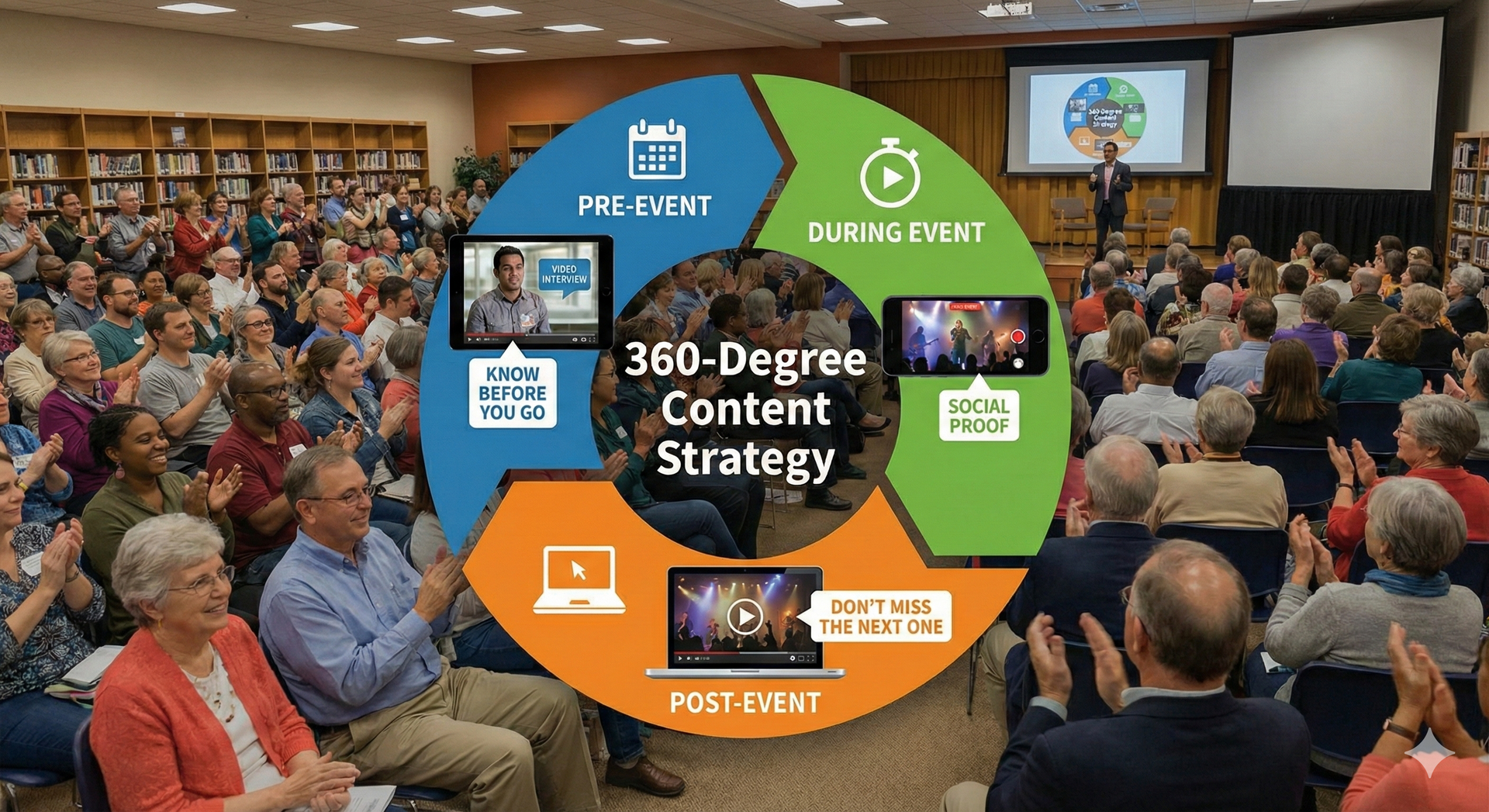
Translate niche talent into a personal narrative: A long runway allows time to craft compelling narratives that make unfamiliar artists approachable. Use reels and interviews to capture the narrative.
Pre-Event Promotional Timeline
12–16 Weeks Out- Finalize contracts, collect high-res media kits, and draft newsletter copy. (Internal Calendar, Print Queue)
6–8 Weeks Out- Submit details for print mailers; launch website landing pages and digital RSVP links. (Print Newsletter, Library Website)
3–4 Weeks Out- Launch social media teasers, post short artist Q&As, and share preview clips. (Instagram Reels, Facebook, YouTube)
1–2 Weeks Out- Send targeted reminder emails and behind-the-scenes stories; post in local arts groups. (Segmented Email, Community Forums)
How to Distribute Content Through Multiple Library Channels:
To reach beyond habitual library visitors, deploy a consistent, structured digital content drip across the weeks leading up to the program:
Artist Spotlights & Mini-Interviews: Post short video interviews or carousel slides highlighting the artist’s background, creative process, and what attendees will experience.
Behind-the-Scenes Previews: Share brief rehearsal snippets, audio clips, or time-lapse videos of material preparation to build visual curiosity.
Interactive Story Hooks: Use polls or question boxes (e.g., "Have you ever heard an aria live?" or "What questions do you have about watercolor mixing?") to drive algorithm engagement and measure patron interest.
Targeted Community Outreach: Cross-post program details into local arts councils, cultural clubs, and neighborhood community boards 2 to 3 weeks prior.
By treating library programming in the arts with the same curatorial and promotional care found in dedicated performing arts venues, we fulfill the true mission of the public library: making high-level culture accessible, approachable, and transformative for everyone.