PROGRAMMING CORNER
The Library Programmer’s Guide to a Successful Winter Festival
Turning the Winter Season into Community Connection
by Tanisha Mitchell
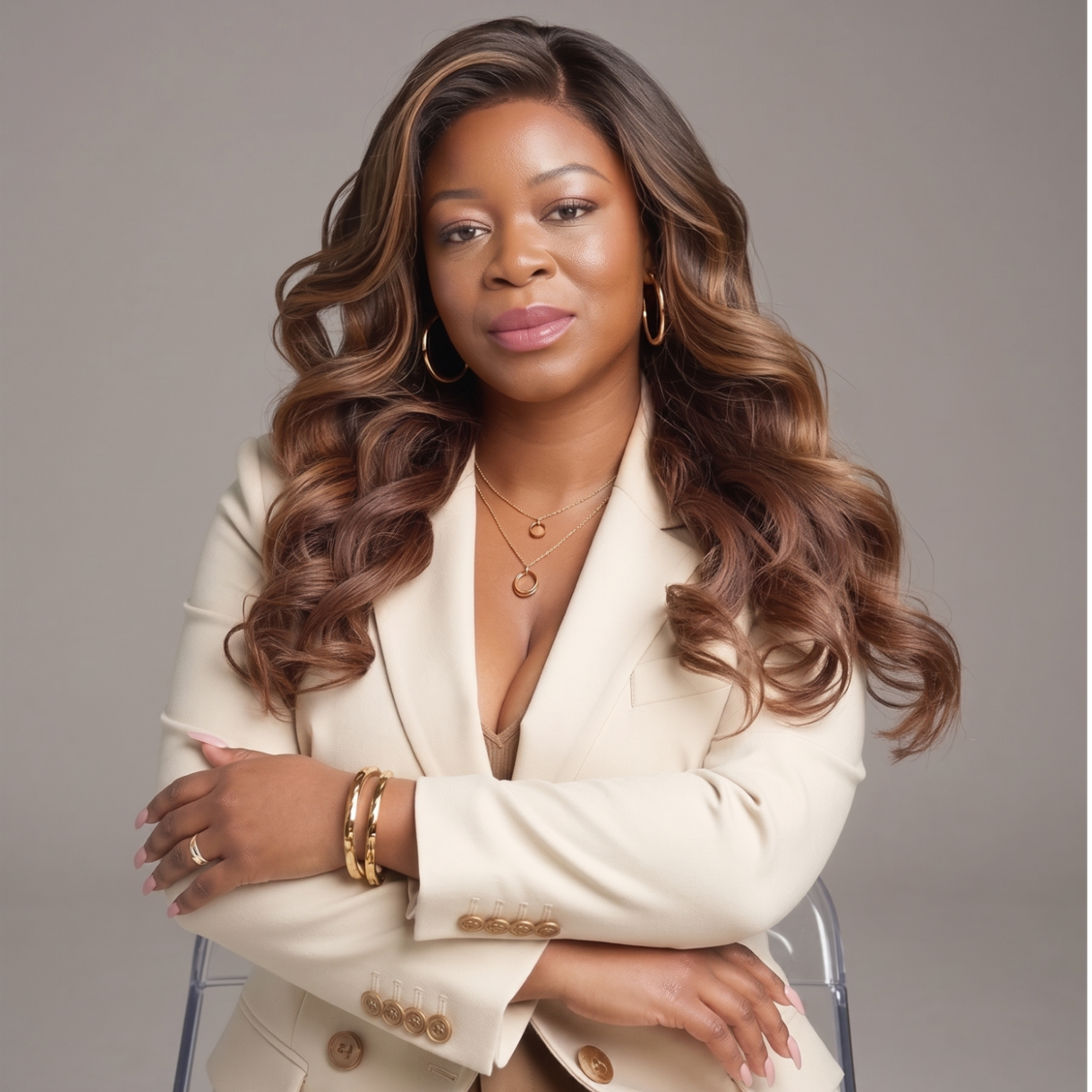
Tanisha Mitchell is a lecturer, Opera Archives & Performance Consultant, and the founder of Arts Brève. A 2013 Library Journal Mover & Shaker, she brings over 15 years of unique dual perspective to community programming—both as a librarian booking arts events and a creator presenting them. Her deep archival roots include serving as a Metropolitan Opera Performance Library & Archive Consultant, which inspired her 2014 Library Journal series on the Met's music library. As the force behind Opera Talks, Tanisha is dedicated to breaking down barriers to elite arts institutions by bringing world-class, high-quality cultural experiences directly to libraries, museums, and senior communities with signature flair.
What do library patrons want?
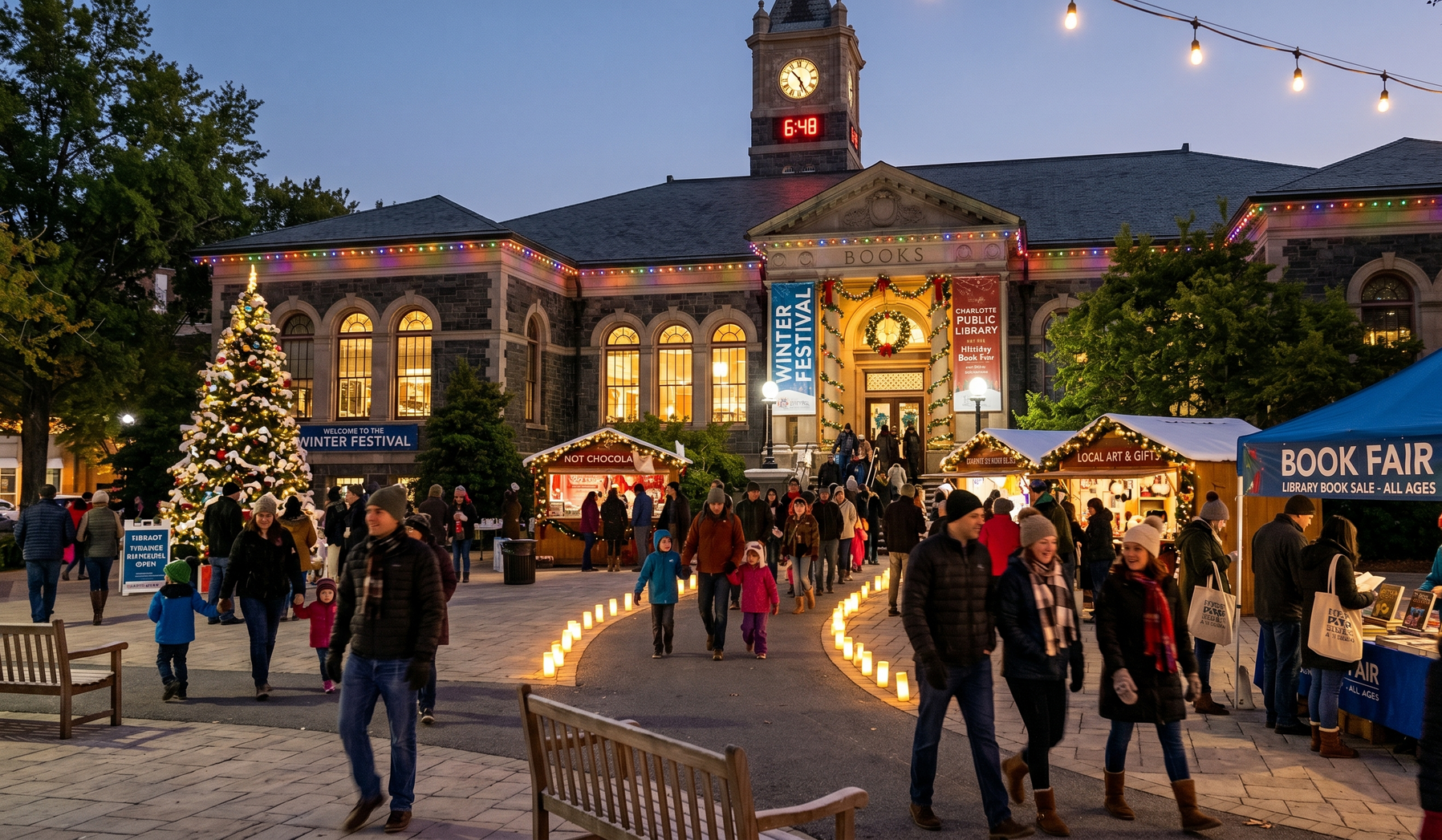
Five years removed from the Global Pandemic, and what do library patrons want? They want experiences that form lasting memories and to connect with other library patrons. As I serve my library community, I notice that when the newsletter comes out there’s a program that involves some form of gathering information via online and in person, patrons are excited to sign up. Oftentimes, a programmer has many questions about how to create these experiences, especially when to do certain programs. I say that at all times of the year can work if it’s something that can draw seniors, families, millennials and younger generations. A festival with curated activities can be a springboard for connecting the community beyond books. For many public libraries, winter is a season of paradox. While the drop in temperature—even in milder climates where the air hovers around a crisp 40 degrees without snow—can act as a deterrent for casual visitors, it also presents a unique opportunity. When the days grow shorter, communities naturally crave warmth, light, and social connection. A Winter Festival transforms the library from a quiet repository of books into a glowing hub of holiday spirit. By strategically leveraging the season, libraries can attract new demographics and deepen existing relationships through a mix of indoor comfort and brisk outdoor excitement.
Phase 1: Conceptualization & Community Buy-in
Every great festival begins with a vision. Start by deciding the scope of the event. What will cause excitement and connection that would immediately gravitate interest? I always put myself in the place of someone living in the community and the sights and sounds around them as they go about their daily lives during the season of the event. This especially applies to winter when family gatherings and holidays collide. In your conception, think about where the event will be held. Will this be an indoor-only cozy retreat or an indoor/outdoor hybrid gathering? Who do you need to collaborate with for it to happen and be the best quality to serve the community? Those questions would lead you to reach out to the right people that are library and community advocates like the Friends of the Library.
How to collaborate with the Friends of the Library:
The Friends of the Library is a perfect example of collaboration that can lead to a successful event. This group oftentimes has funds that can help with certain expenses. They can also be willing to help with many activities that can contribute to the winter festivities. Before a single flyer is printed, meet with your "Friends" group. They are your primary engine for fundraising, volunteer staffing, and community networking. Present the festival to increase library visibility and foot traffic. Their buy-in ensures you have the budget for "extras" like professional musicians, festival lights or animal activities.
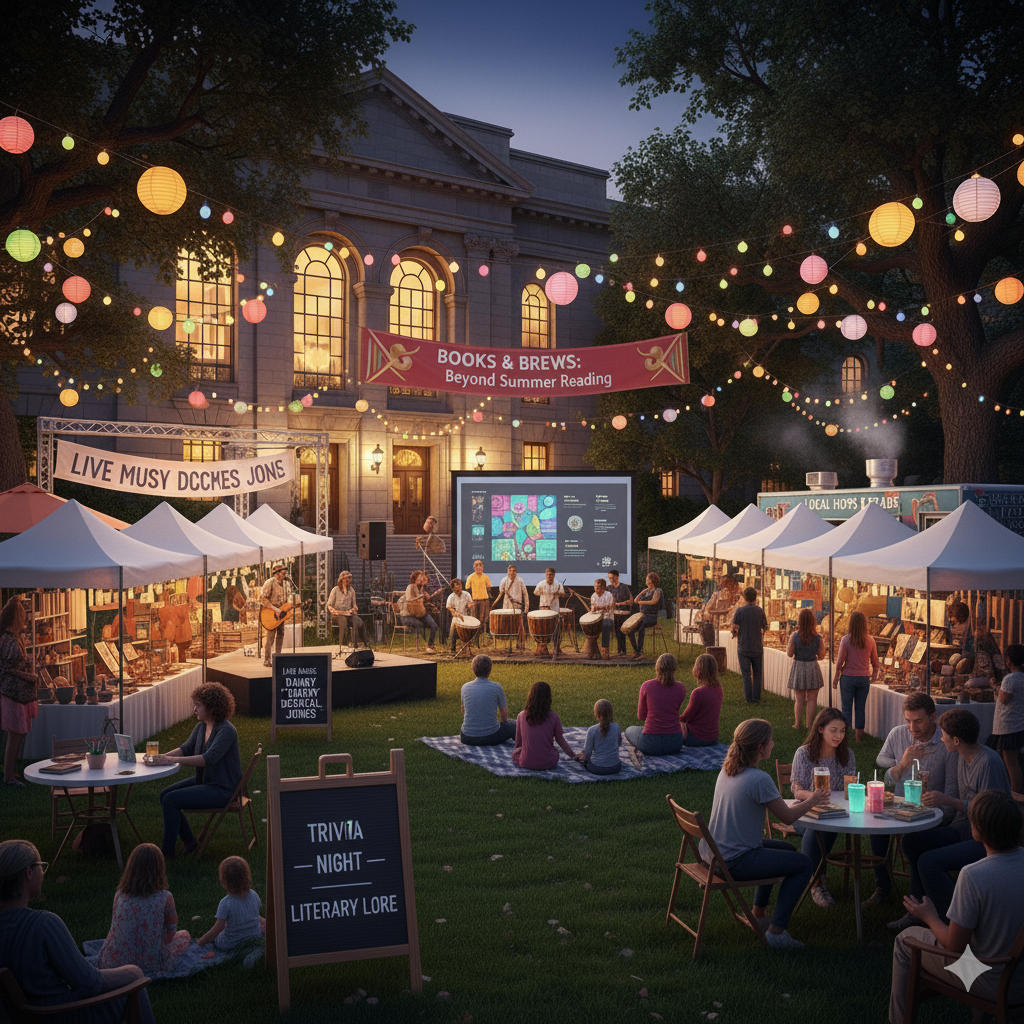
Choosing indoor or outdoor entertainment: Indoor options are best for smaller branches where library workers can control the flow of the environment by monitoring patrons' needs throughout the event. Indoor activities also function well for security and safety if library security is assigned to certain festival areas. Focus on "Hygge" (comfort)—sound healing sessions in the reading room, acoustic concerts, and craft stations in the children's area. If you choose a hybrid setting, you can use the library grounds for light shows, "winter games" (like giant chess or bean bag toss), and food trucks. This expands capacity and creates a high-visibility event that draws in passersby.
Phase 2: Gathering Talent & Activities
Curating a successful winter festival requires a thoughtful blend of performance art, interactive experiences, and culinary comfort that resonates deeply with your neighborhood's unique identity. Rather than pulling a generic list of holiday activities out of a box, the process of assembling talent begins with a careful analysis of your community's demographic tapestry. As library programmers, we must actively decide which musical genres and artistic styles will best reflect and delight our specific audience. This involves a strategic balancing act: mapping out entertainment that ranges from inclusive, multi-generational family programming to targeted, high-impact activities designed strictly for toddlers or adults. While a lively brass quintet or an interactive winter game zone keeps the energy high for families, a serene, 30-minute evening sound healing or meditation session serves as the perfect, deeply appreciated retreat for adults looking to combat seasonal burnout.
Beyond the initial brainstorming of themes, regional logistics and quality control must remain top priorities throughout the planning process. When scouting performers look closely at their travel radius; knowing exactly how far a vendor, musician, or live animal handler is commuting is a crucial logistical detail that impacts everything from technical setup windows to potential winter transit delays. Above all, never compromise on execution. Ensuring that every hired professional delivers a high-quality, engaging performance is what elevates a standard library program into an unforgettable community tradition. Looking forward, a premium arts directory like Arts Breve will serve as an invaluable, curated resource to help public libraries seamlessly discover and vet top-tier talent for these exact types of seasonal showcases.
The same hyper-local approach applies to mapping out your festival’s physical footprint and culinary offerings. Rather than defaulting to a standard menu, tailor your holiday food to match both the time of year and the distinct tastes of your neighborhood by partnering with beloved local bakeries or popular neighborhood eateries. Whether you are setting up a supervised indoor hot cocoa bar or coordinating local food truck favorites (if it’s allowed), the food should feel like a celebration of community staple flavors. Finally, tie the entire experience together by precisely designating where each element will live. Carefully decide whether a feature belongs inside the cozy confines of the library walls—such as delicate acoustic concerts or intricate holiday craft stations—or outside on the library grounds, where robust winter light shows, interactive projection mapping, and cold-hardy animal encounters can safely thrive in the crisp air. By intentionally anchoring each performance and taste to its ideal setting, you create a seamless, immersive environment that welcomes the season with open arms.
Phase 3: The Planning Timeline & The Power of Early Action
A successful community-wide festival is never thrown together at the last minute; it is engineered over months of steady, deliberate preparation. For a library programmer, the timeline is your valuable asset to help to successfully carry out the event. Starting the planning process a half-year in advance is a safety net and it is a strategic necessity. Early action secures the best talent before their seasonal calendars fill up, ensures municipal departments have ample time to process permits, and gives your fundraising bodies a clear runway to allocate capital.
Most importantly, starting early allows you to align your festival with the library’s broader promotional machine. A signature event of this scale requires deep integration with your library’s publicity channels. By locking in your timeline months ahead, you can coordinate directly with your marketing team to secure prime real estate in the library’s seasonal newsletter, schedule a multi-wave rollout across all social media outlets, and draft compelling press releases for the local paper. When your administrative milestones are met early, your promotional partners have the runway they need to build genuine community anticipation, turning a simple event announcement into a highly anticipated local tradition.
The 6-Month Countdown to Launch
To avoid a last-minute scramble and ensure every department moves in lockstep, follow this chronological roadmap of actionable steps:
- 6 Months Out: Foundation, Funding, and First-Tier Bookings
- Why it matters: This is the window where the festival's scope is defined and financial baselines are established.
- Actionable Steps: Establish your core festival goals and select your official date. Meet with the Friends of the Library to pitch your vision and secure dedicated funding. Immediately identify and book your "high-demand" assets—such as popular regional musicians, professional sound healing practitioners, and live animal handlers—whose calendars peak during the holiday season.
- 4 Months Out: Bureaucracy, Logistics, and Leadership
- Why it matters: Transitioning from ideas to infrastructure requires navigating local regulations and building your team.
- Actionable Steps: Submit all necessary applications for city permits, parking lot closures, or outdoor utility usage to municipal offices. Recruit or appoint a dedicated Volunteer Coordinator to serve as the administrative point of contact for staffing needs.
- 2 Months Out: Detail Finalization and the Promotional Spark
- Why it matters: At this stage, the abstract plan becomes concrete, and public anticipation begins to build.
- Actionable Steps: Finalize the exact list of activities and purchase all necessary craft supplies, decorations, and lighting equipment. Work with your library's publicity team to launch "teaser" marketing campaigns, dropping early hints in the monthly newsletter and posting behind-the-scenes previews on your social media outlets to spark curiosity.
- 1 Month Out: The Comprehensive Push and Spatial Testing
- Why it matters: The final thirty days are about maximizing community outreach and ensuring operational safety.
- Actionable Steps: Launch your full-scale marketing campaign. Coordinate with local papers to run featured event listings and pitch local reporters on the festival's unique community angles. Send official confirmations to all contracted vendors, performers, and volunteers. Conduct a physical walkthrough of the library floor plan with key staff to identify traffic bottlenecks and safety hazards.
- 1 Week Out: Execution, Materials, and Volunteer Care
- Why it matters: The final days are dedicated to practical preparations that ensure a smooth attendee and volunteer experience.
- Actionable Steps: Print all physical maps, schedule pamphlets, and directional signage. Prepare "Winter Survival Kits" containing hand warmers, branded knit caps, and bottled water for volunteers stationed outdoors to ensure they feel valued and comfortable throughout the event.
Phase 4: A Marketing Strategy for All Stages of the Festival
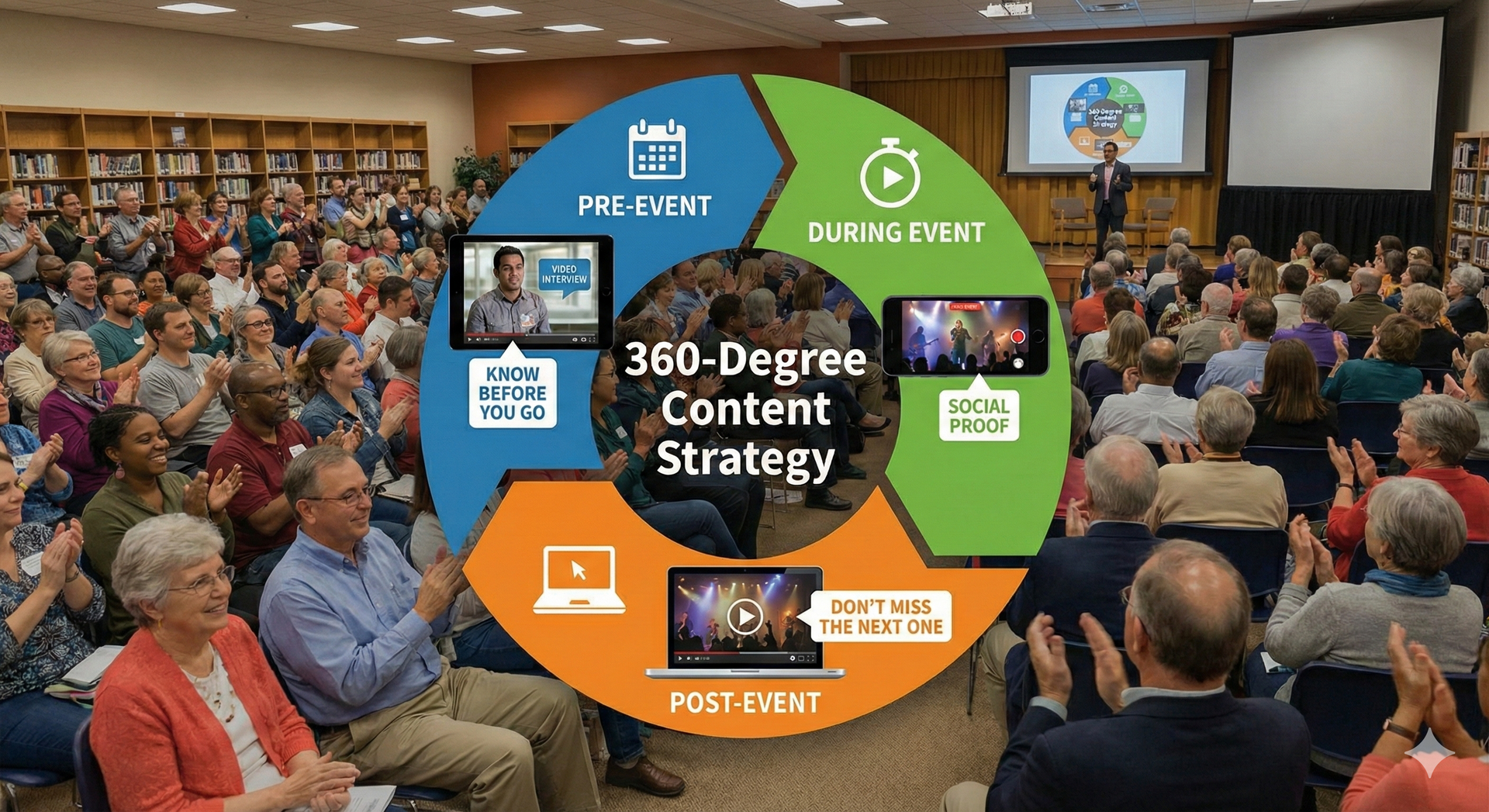
A brilliantly programmed Winter Festival is only as successful as the audience it gathers. To truly weave the event into the fabric of your community, library programmers must treat marketing not only as a single announcement, but as an evolving narrative. This requires a dynamic, multi-stage strategy that changes its voice and objective before, during, and after the festival. By treating your promotion as a three-part campaign, you ensure that anticipation builds early, engagement peaks on-site, and the library’s value resonates long after the tents are packed away.
Before the Event: Building Hype
The primary goal of pre-event marketing is to transform casual interest into non-negotiable calendar commitments. This phase should launch in tandem with your timeline milestones, utilizing every tool in the library's promotional arsenal.
- The Power of the Newsletter: Use your library’s digital or print newsletter to anchor the campaign. Rather than a simple calendar listing, dedicate a featured spread or a prominent section to the festival. Share a message that hooks the reader, outlining the unique blend of indoor warmth and outdoor wonder.
- Social Media Outlets: On platforms like Instagram and Facebook, consistency is key. Launch a deliberate countdown campaign punctuated by "Artist Spotlights" that introduces your hired musicians, choirs, or sound healing practitioners. Create a centralized Facebook Event page where community members can RSVP, ask questions, and easily invite their neighbors.
- The Local Paper and Physical Outreach: Never underestimate traditional media and foot traffic. Draft a compelling press release for the local paper, emphasizing the hyper-local elements of the festival—such as partnerships with popular neighborhood eateries and schools. Simultaneously, place eye-catching physical flyers at high-traffic service desks, local coffee shops, and community boards to capture residents who may not follow the library online.
During the Event: Capturing the Live Experience
Marketing does not stop when the festival doors open; it shifts into a tool for real-time engagement and community proof. Live coverage acts as a digital megaphone, showing those who stayed home exactly what they are missing and encouraging them to bundle up and head over.
- The "Live Reporter" Role: Assign a dedicated staff member or a trusted volunteer from the Friends of the Library to act as your digital reporter for the day. Armed with a smartphone, their sole job is to capture the vibrant energy of the festival as it unfolds.
- Real-Time Snippets: Stream short, high-quality video clips on Instagram or Facebook Stories. Capture the precise moment a local choir hits a beautiful harmony, the glow of the LED light show against the building, or families enjoying holiday treats.
- Interactive Hashtags: Establish a clear, simple event hashtag and display it prominently on signs throughout the library and grounds. Encourage attendees to share their own photos of the crafts, winter games, or animal encounters, turning your audience into active co-creators of the festival's story.
After the Event: Solidifying the Legacy of the Event
The final stage of marketing is often the most overlooked, yet it is the most critical for building long-term community buy-in and establishing an annual tradition. The 48 hours following the festival are a golden window to cultivate gratitude and prove the library's impact as a vital "Third Place."
- The "Thank You" Gallery: Within two days of closing, publish a beautifully curated photo gallery on your social media outlets and website. Highlight the smiling faces, the packed community rooms, and the festive atmosphere. This serves as a visual celebration of the event’s success.
- The Newsletter Wrap-Up: Follow up in the next library newsletter with a recap article. Share success metrics—such as attendance numbers or how many new library cards were issued during the event—alongside a heartfelt thank you to the community for showing up.
- Honoring Partners and Friends: Use your platforms to publicly acknowledge the entities that made the event financially and operationally possible. Dedicate specific posts or newsletter columns to thank the Friends of the Library, local businesses, and the army of volunteers who gave their time. Publicly celebrating these partnerships ensures that when you begin planning next year's festival, the community will be more than ready to step up again.
Phase 5: Contingency Planning & Community Buy-In
No matter how meticulously a festival is planned, the true test of a library programmer's leadership lies in their preparation for the unexpected. Throughout my years of hiring talent and coordinating arts events, many unexpected things happened and I had to be sharp by changing plans at the last minute that seamlessly worked with the original intention of the program. A successful Winter Festival requires a dual-focus strategy: building a resilient operational safety net and cultivating deep, enthusiastic community buy-in. By preparing for logistical shifts and actively collaborating with local support systems like the Friends of the Library, you ensure your festival remains a seamless, joyful experience for everyone involved, no matter what challenges arise.
Designing Your Operational Safety Net: The Contingency Plan
When coordinating a large-scale event, hope is not a management strategy. You must anticipate potential points of failure and establish clear, pre-approved backup protocols long before the first visitor arrives.
- The "Inward Shift" Weather Plan: Even in regions where winter temperatures remain safely above freezing, a sudden downpour or a biting wind can quickly make outdoor activities untenable. If your event features outdoor components like winter games, food trucks, or light displays, establish a hard weather threshold (e.g., if temperatures drop below or rain is forecast). Create a pre-mapped "Inward Shift" plan detailing exactly where outdoor elements will be relocated inside—such as moving giant board games into the children’s room or setting up food service in the library foyer.
- Managing Talent and Vendor Cancellations: Performers get sick, and vendors encounter transit delays. To protect your programming schedule, maintain a designated "Emergency Toolkit." This should include a high-quality digital playlist of festive background music and a backup, staff-led craft activity (such as a quick winter-themed bookmark or ornament-making station) that can be deployed at a moment's notice to fill an unexpected scheduling gap.
- Crowd Control and Overcrowding: A highly successful marketing campaign can sometimes attract a larger crowd than the library facility can safely hold at one time. Work with your local fire department to establish maximum capacity limits for different rooms. Designate a volunteers from the fire and police department at the main entrance with staff who are prepared to check visitors into the building, keeping crowds moving smoothly and ensuring a safe, comfortable experience for all.
Securing Community Buy-In & The Power of Collaboration
A library festival should never feel like an event imposed upon a community; it should feel like an event created by and for the community. Building this sense of shared ownership is what transforms a simple afternoon program into an enduring local tradition. The festival can become more than just a party but a community gathering that people would look forward to every year. It is a demonstration of the library’s role as a "Third Place"—a vital community space outside of home and work. By combining meticulous planning with the support of your Friends group and a touch of seasonal magic, you can turn a cold winter evening into the highlight of the community’s year. Start small if you must but dream big—the warmth you create will last long after the lights are packed away and the weather shifts to another season.